Bank of Canada Holds Policy Rate at 2.25% as New Tariffs Add Growth and Inflation Risks
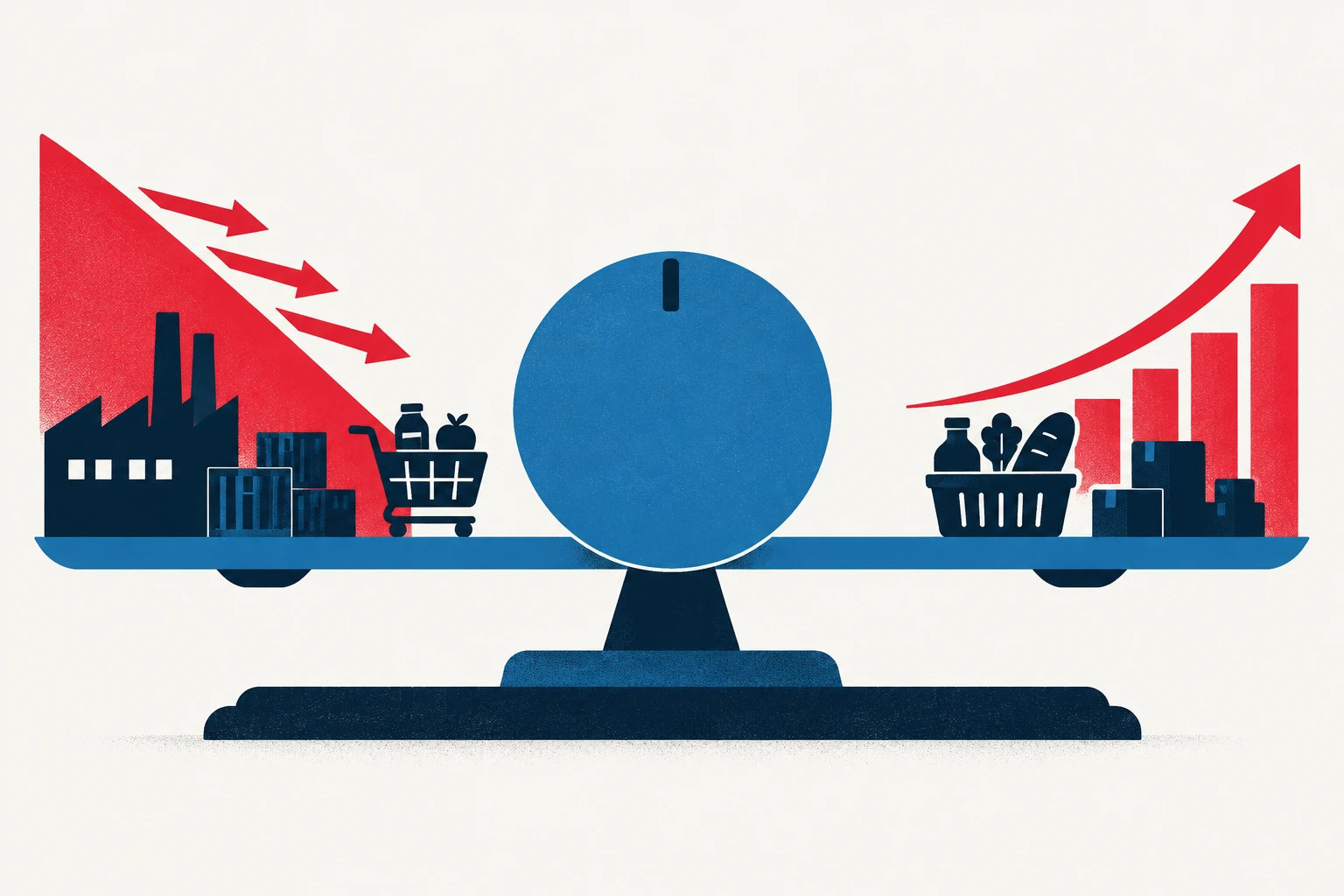
The Bank of Canada held its overnight target rate at 2.25% on September 2, saying the recovery has broadly tracked its July outlook but faces greater uncertainty from newly announced U.S. tariffs and Canadian counter-measures. The Bank said those measures could increase costs for some businesses and feed into consumer prices over time, alongside inflation risks from elevated energy prices.
The Bank of Canada left its target for the overnight rate at 2.25% on September 2, maintaining a 2.5% Bank Rate and a 2.20% deposit rate. Governing Council said Canada’s recovery has broadened, but identified newly announced U.S. tariffs and Canadian counter-measures following the breakdown of bilateral trade talks as a new source of uncertainty. [1]
Canadian GDP increased by 3.3% in the second quarter after very weak first-quarter growth, according to the Bank. It said some of the acceleration reflected temporary factors, but described the improvement as broad-based, with solid consumption growth, a rebound in housing activity, and sharp increases in exports and business investment. The unemployment rate edged down to 6.4% in July, though the Bank said labour demand remains subdued and the economy continues to have excess supply. [1]
For the trade dashboard, the decision provides a national-level assessment of the latest escalation’s economic channels rather than reporting a new tariff action or a company- or sector-specific disruption. The Bank said new U.S. tariffs and threats of further action put the durability of the recovery at risk, but did not quantify effects on output, employment, trade volumes, or individual industries in this release. [1]
Inflation has remained near 3% in recent months, primarily because gasoline prices have stayed elevated, the Bank said. Inflation excluding gasoline was 2.2% in July and core measures were close to 2%, indicating limited evidence so far that energy costs had broadly spread through other prices. However, the Bank warned that a prolonged period of high oil prices and elevated refining margins would increase the chance of wider price pass-through. [1]
Tariffs and counter-tariffs were identified as an additional prospective cost pressure. The Bank said they will raise costs for some businesses and could reach consumers over time, while leaving growth prospects less certain. With activity and inflation broadly evolving in line with its July Monetary Policy Report, Governing Council kept the rate unchanged and said it would reassess the recovery and inflation outlook at its next scheduled decision on October 28. [1]
The Bank of Canada has formally identified the latest U.S. tariffs and Canadian counter-measures as risks to both the recovery and future consumer-price pressures, making this a material macroeconomic update. It is rated 3 rather than higher because the decision introduced no trade measure and supplied no quantified tariff effect or new industry-specific exposure data. [1]