G20 trade meeting opens as Canada pursues diversification outside U.S. talks
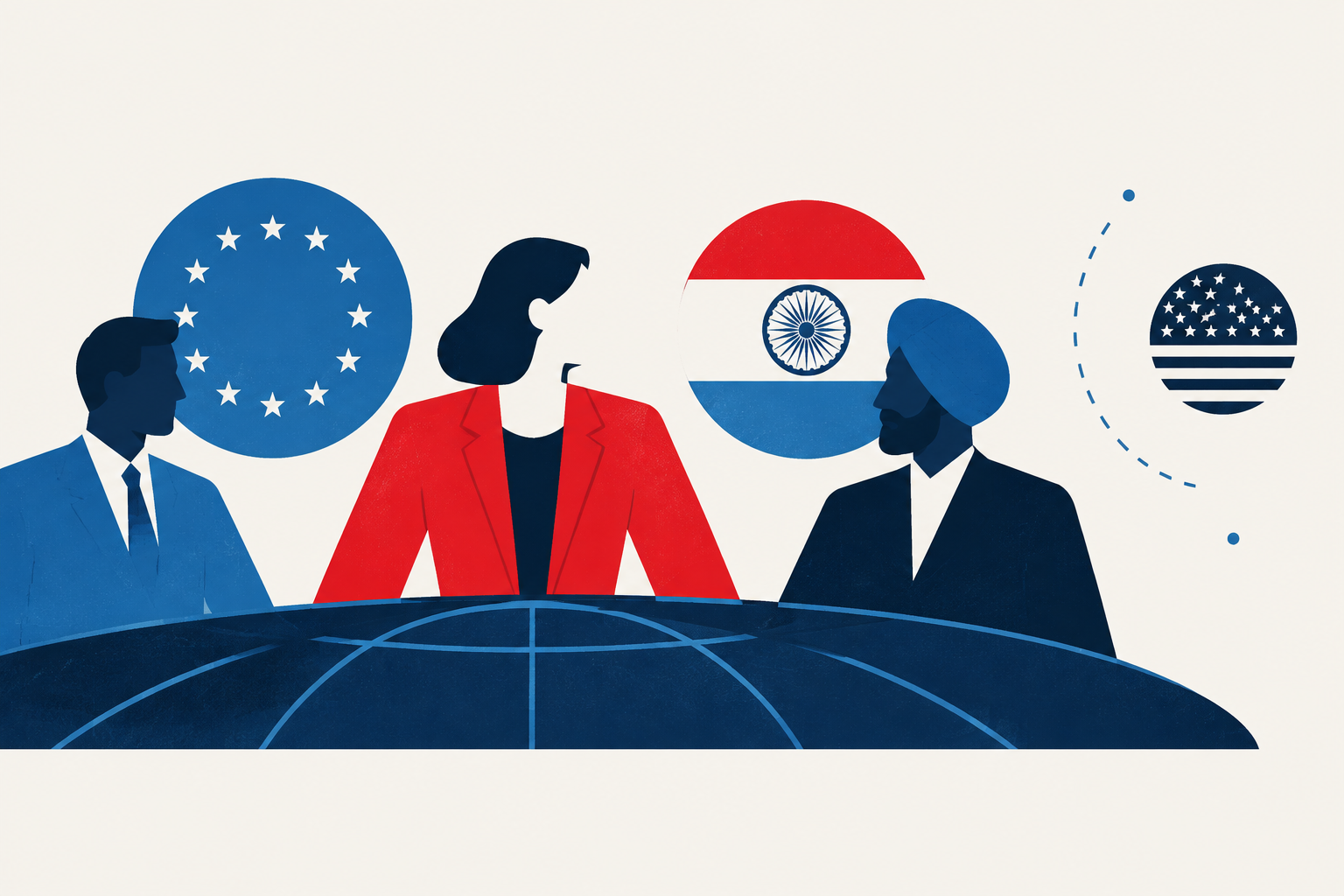
Canada is using the Milwaukee G20 gathering to advance EU and India contacts, while bilateral trade negotiations with Washington remain off the agenda.
G20 trade ministers began meeting in Milwaukee, Wisconsin, on Sept. 30, with the U.S. tariff agenda shaping a gathering hosted by Washington but marked by parallel discussions among other economies. Canada is treating the meeting as an opportunity to expand commercial relationships beyond the U.S. market rather than as a venue to revive its stalled bilateral trade negotiations with the United States. [1]
International Trade Minister Maninder Sidhu is leading Canada’s delegation and plans meetings with representatives from the European Union and India. He said Ottawa is seeking greater access to large and fast-growing markets as part of a strategy to reduce dependence on U.S. trade where possible. Sidhu also said Canadian non-U.S. trade had risen 17 per cent, or $33 billion, over the past year, and that nearly one-third of Canadian exports now go to destinations outside the United States. [1]
The distinction between multilateral engagement and Canada-U.S. negotiations is important for businesses watching for a near-term breakthrough. Sidhu may encounter U.S. Trade Representative Jamieson Greer in Milwaukee, but CBC reported that the G20 meeting is not expected to restart the Canada-U.S. talks that broke down in August. Greer and Canada-U.S. Trade Minister Dominic LeBlanc have nevertheless continued speaking by phone, including in the days before the meeting. [1]
The U.S. is also using the two-day gathering to press its wider trade-policy priorities, including discussion of forced labour in supply chains, structural and excess production capacity, and steel. A separate U.S. objective is changes to the World Trade Organization’s most-favoured-nation rules, which generally require equal tariff treatment among WTO members. Trade lawyer Martha Harrison told CBC that weakening those rules could make the global trade environment less predictable by allowing greater differentiation among countries. [1]
For Canadian companies, the immediate development is diplomatic rather than a new market-access agreement or tariff measure. The Canadian delegation’s planned EU and India contacts point to continuing diversification efforts, but the source does not identify any concluded deal, revised tariff treatment, or resumed Canada-U.S. negotiating process resulting from the Milwaukee meeting. [1]
This is a limited but decision-useful negotiation development: Canada is using the G20 meeting to pursue contacts with the EU and India while Canada-U.S. talks remain outside the forum. It may support longer-term market diversification for exporters, but no agreement, tariff change, or sector-specific commercial outcome was announced, keeping the significance moderate rather than high. [1]