September Job Losses Erase Canada’s 2026 Employment Gains
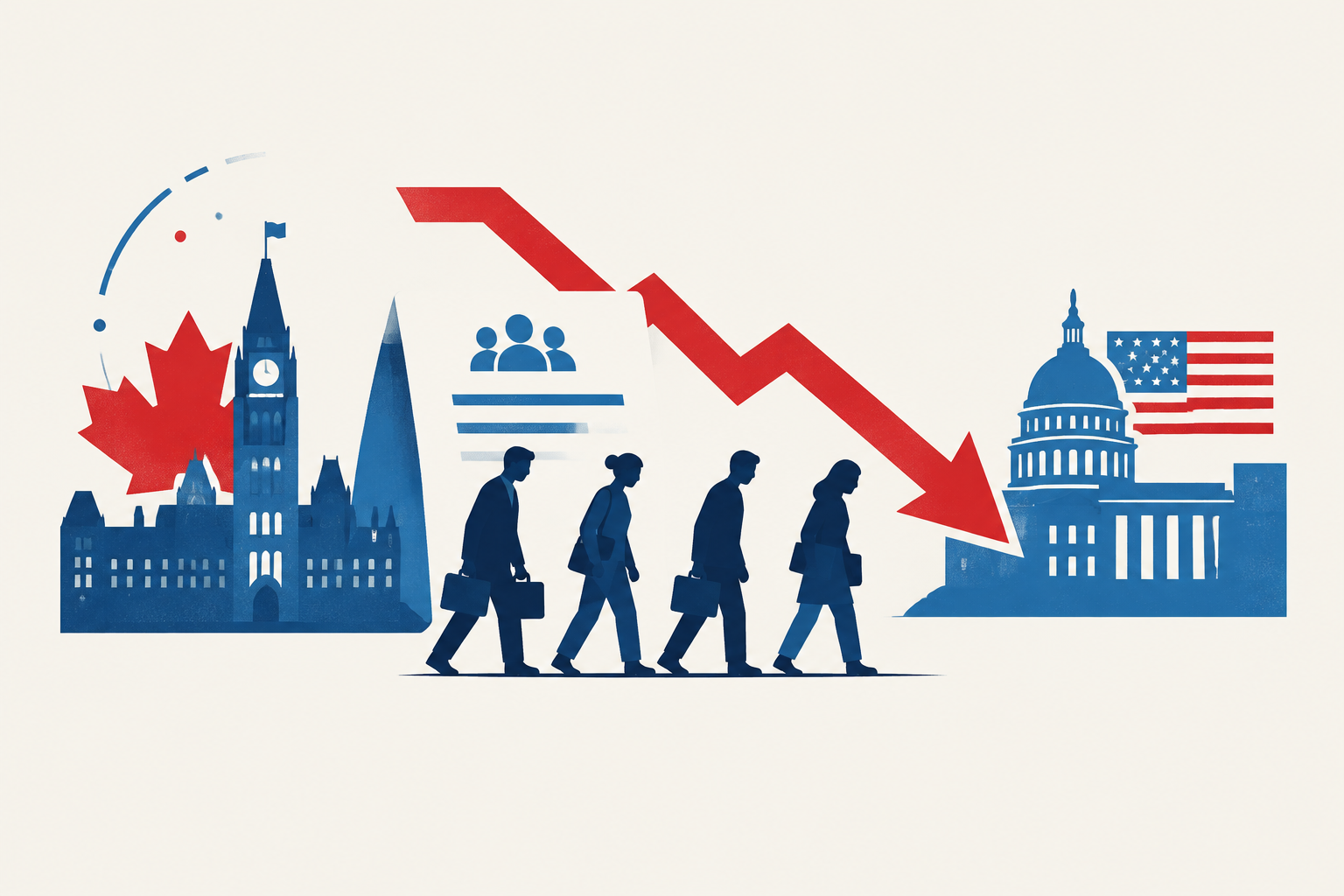
Canada lost 68,300 jobs in September, reversing this year’s gains as public-sector losses outweighed tariff-linked expectations.
Canada’s labour market contracted sharply in September, with a net loss of 68,300 jobs that wiped out the employment gains recorded earlier in 2026. The decline followed a 41,700-job loss in August, while the unemployment rate rose to 6.5 per cent from 6.4 per cent. [1]
The September result was substantially weaker than market expectations. Analysts surveyed by Reuters had anticipated 9,200 jobs would be added during the month, although they had expected the unemployment rate to reach 6.5 per cent. The data therefore point to a faster deterioration in hiring conditions than forecasters had projected. [1]
September was the first full month after a new round of U.S. tariffs took effect against Canada, placing the employment figures in a period of heightened trade uncertainty. But the largest job losses were reported in the public sector rather than in the area directly exposed to the tariffs, notably in health care, social assistance and education. [1]
CTV News, carrying Reuters reporting on Statistics Canada data, linked those public-sector losses particularly to government reductions in international-student permits. That distinction matters for trade monitoring: the monthly employment setback coincided with new tariff conditions, but the reported concentration of losses does not establish tariffs as the principal cause of September’s decline. [1]
For Canadian businesses, the figures add a broader demand and labour-market warning to an already difficult cross-border environment. The report shows a national employment reversal and a modest rise in unemployment, while also indicating that policy changes affecting public services and education were central to the largest losses identified in the September data. [1]
This is a significant economic-data development because a 68,300-job September decline erased Canada’s employment gains for 2026 and exceeded expectations for job growth. The immediate exposure is economy-wide, with the largest reported losses concentrated in public-sector health care, social assistance and education rather than demonstrated tariff-hit industries; that limits the case for a higher trade-specific significance rating. [1]