Hydro-Québec flags possible electricity shortfall from 2029 as demand accelerates
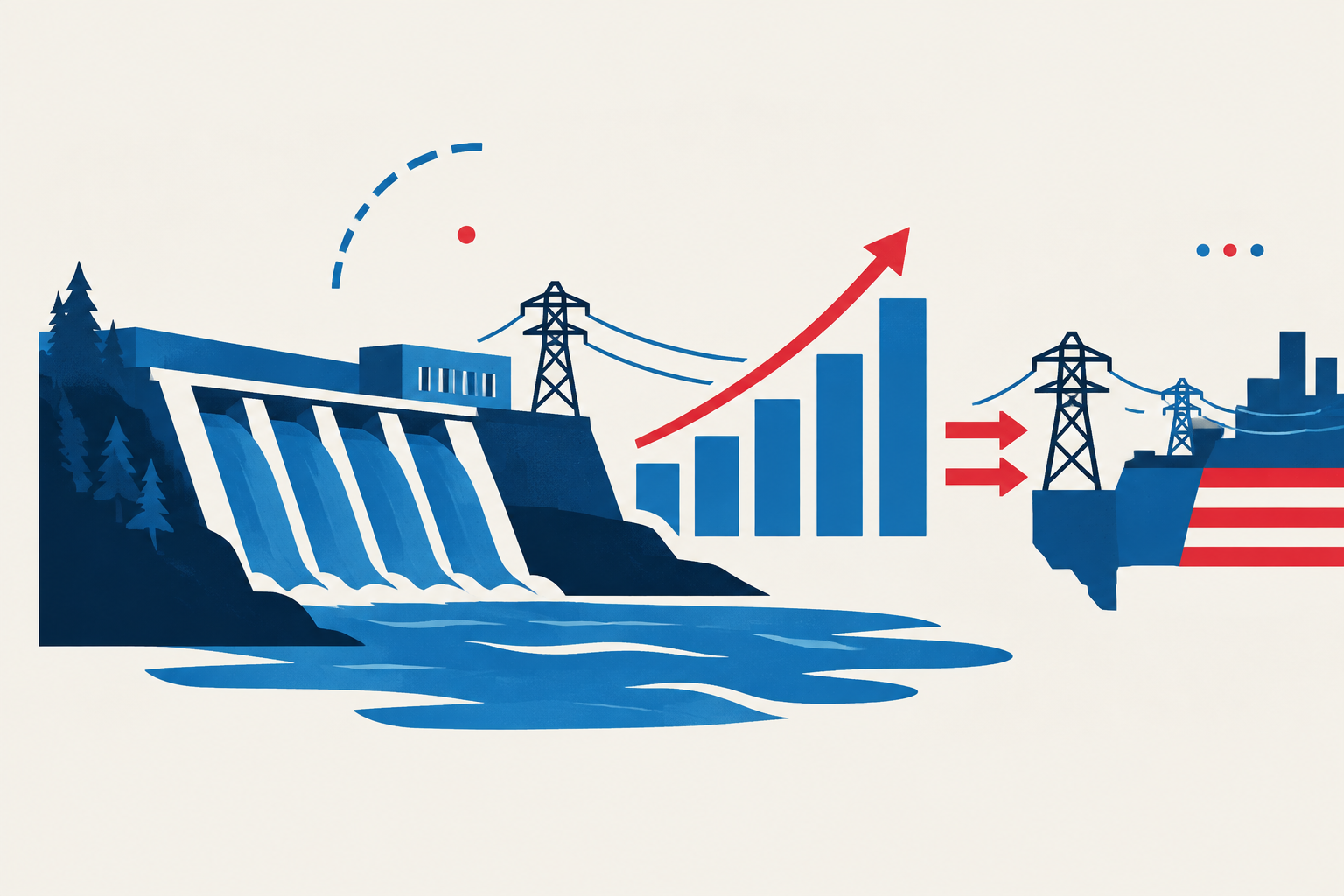
Hydro-Québec’s long-range plan foresees sharply higher power demand and possible import needs by 2029 if new supply does not arrive.
Hydro-Québec’s 2027–2041 supply plan says Quebec could face electricity deficits as early as 2029 unless additional generating capacity is brought online, creating the prospect that the provincial utility may need imports from neighbouring provinces or the United States. The warning comes as the utility maps a much larger call on its system over the next 15 years. [1]
The plan projects Quebec electricity demand will rise by 60 terawatt-hours by 2041, an increase of more than 30 per cent. Hydro-Québec attributes the expected growth to transport electrification, data-centre demand and building retrofits that shift heating and other energy use away from fossil fuels. Its executive vice-president for energy strategy said supply would fail to keep pace with demand if new generation assets are not completed. [1]
Hydro-Québec intends to add 24,000 megawatts of generating capacity by 2041 and is targeting 21 terawatt-hours of energy-efficiency savings by 2035. The supply outlook is also being developed against exceptionally dry conditions over the past three years, which have required the utility to manage reservoir levels carefully. The potential deficit is therefore a planning scenario rather than a confirmed future import requirement. [1]
For cross-border energy trade, the finding points to a possible change in the direction of electricity flows: Quebec could require external supply during periods of tight domestic availability instead of relying solely on its own generation base. That exposure depends on whether planned generation and efficiency measures materialize, as well as future weather and demand conditions. Hydro-Québec is not currently planning to use nuclear power to meet the near-term demand increase, although it says it is keeping the option open over the longer term. [1]
The development does not alter the current tariff outlook for Canadian energy exports, which remain largely shielded from the trade measures tracked by the dashboard. Instead, it raises a medium-term infrastructure and reliability question for Quebec businesses, large electricity users and prospective energy-intensive investments: the scale and timing of new supply will influence whether the province can accommodate demand growth without drawing on outside markets. [1]
This is a significant but forward-looking energy development: Hydro-Québec projects demand growth of more than 30 per cent by 2041 and says deficits could emerge in 2029 without new capacity, potentially opening a need for imports from other provinces or the United States. The rating is not higher because the shortfall and import requirement remain contingent on construction, efficiency results, demand growth and weather conditions rather than representing an enacted trade restriction or realized supply disruption. [1]