Navarro Warns Canadian Lobbyists as Ottawa Reaffirms Trade Negotiating Stance
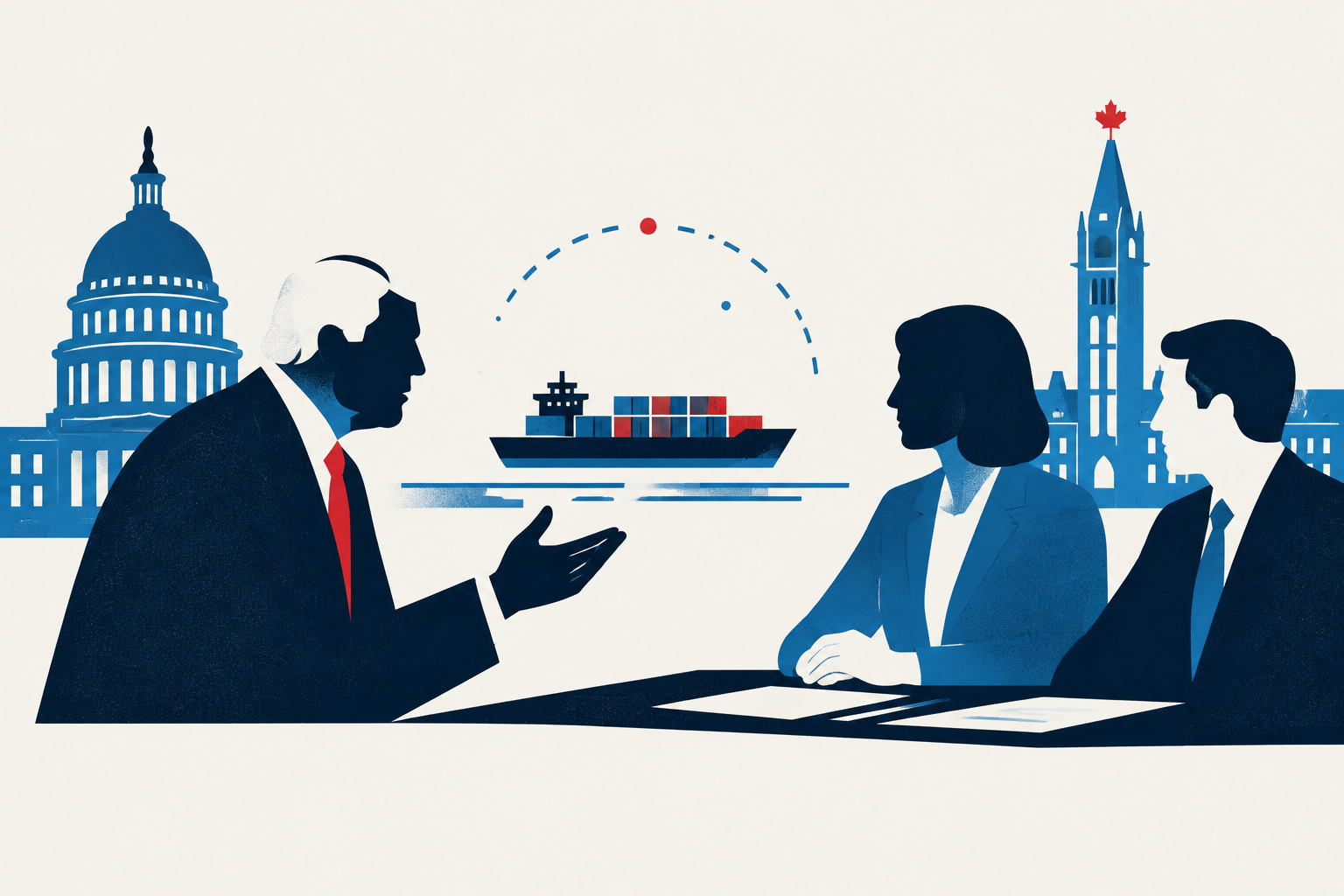
A White House trade adviser’s warning to Canadian lobbyists sharpened political friction while Ottawa maintained its willingness to pursue a negotiated trade arrangement.
White House trade adviser Peter Navarro publicly told Canadian lobbyists to leave the United States at an event in Washington on Sept. 29, pairing the demand with a warning that Canada should not seek to influence U.S. politics or elections. His remarks did not announce a new tariff, but they added a political confrontation to an already strained Canada-U.S. trade relationship. [1]
Navarro specifically referenced lobbying activity on K Street and said Canadian efforts that had succeeded previously would no longer be accepted. He also said Canada could face greater costs if it interfered in elections in Maine or Michigan, while criticizing Ottawa’s negotiators. The comments signal a more hostile public tone toward Canadian advocacy in Washington, rather than a defined change in customs treatment or a new trade rule. [1]
At a Vancouver news conference, Prime Minister Mark Carney did not respond directly to Navarro’s language. Instead, he said Canada remained prepared to negotiate in good faith toward a mutually advantageous arrangement that respects both countries’ sovereignty. That response leaves Canada’s stated negotiating position unchanged: engagement remains available despite the deterioration in rhetoric. [1]
The exchange follows the collapse of Canada-U.S. trade talks last month, according to the report. It also comes as the United States has imposed 50% tariffs on key Canadian goods and Canada’s counter-tariffs on US$20 billion of U.S. goods took effect Tuesday; Canada said those countermeasures apply only to U.S.-origin goods and exclude shipments already in transit on the implementation date. [1]
For businesses, the immediate consequence is greater uncertainty around the political environment in which negotiations and tariff disputes are being managed. The source does not identify a new sector-specific restriction, further tariff action, or a change to the terms of existing measures. As a result, the development is most relevant as an indicator of strained bilateral engagement rather than evidence of an altered tariff exposure for a particular industry. [1]
Significance is limited because the new development is a public warning to Canadian lobbyists and not a formal tariff, regulatory change, or implementation action. It raises the political temperature around negotiations, while Carney’s stated readiness to negotiate provides no evidence of either a concrete breakthrough or a further sector-specific escalation. [1]