Retailers Expect Lag Before Canada’s Counter-Tariffs Reach Store Shelves
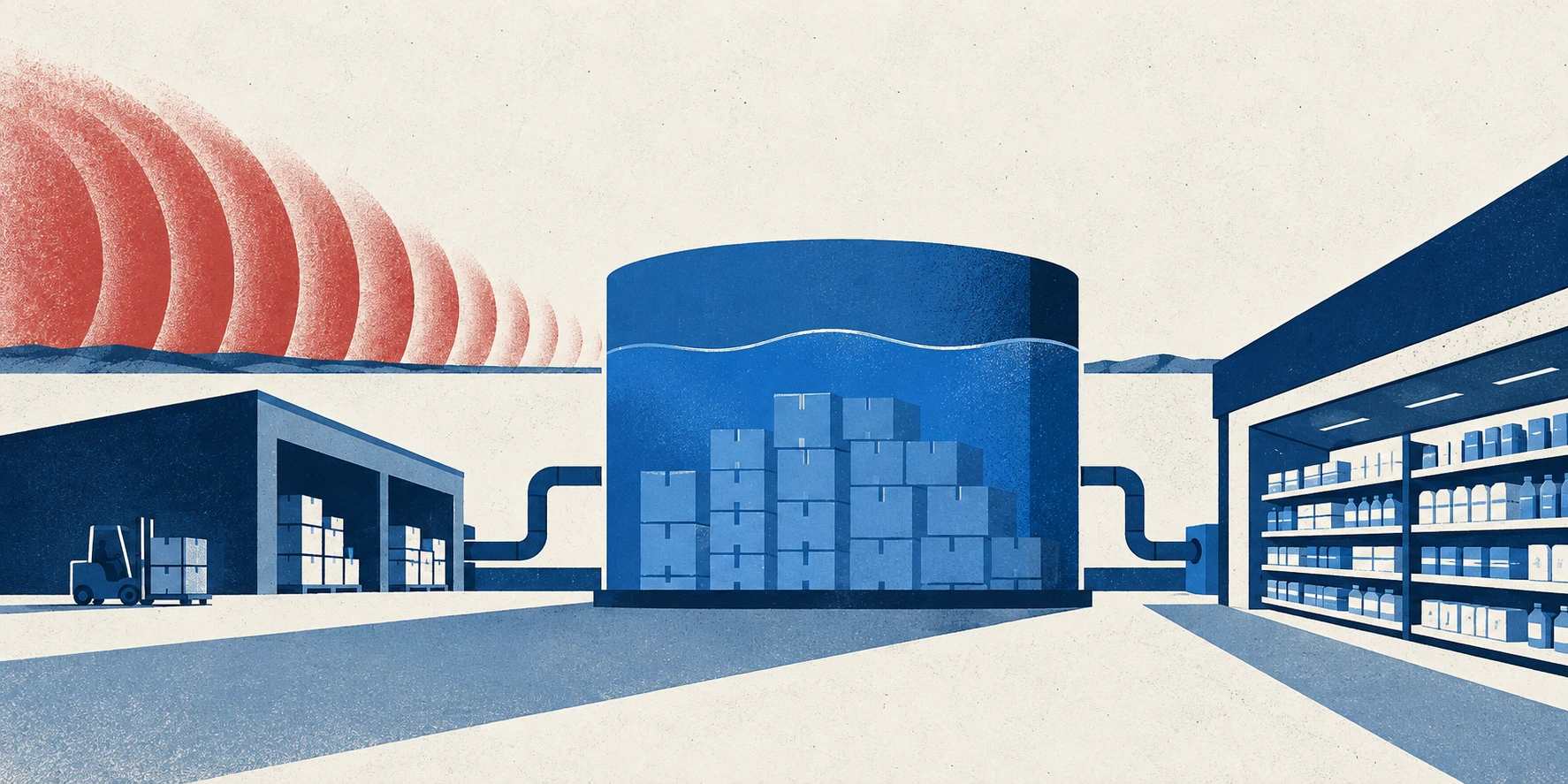
Retailers expect existing inventories to delay tariff pass-through, with promotions and product selection likely to tighten before broad price increases emerge.
Canadian retailers are not expected to immediately pass the full cost of the country’s new counter-tariffs on to shoppers. The Retail Council of Canada says stores must first sell through inventory acquired before the duties applied, meaning shelf prices may adjust with a delay as newly tariffed U.S. products enter replenishment cycles. [1]
The timing will vary by product turnover. Matt Poirier of the Retail Council said short-shelf-life items and other fast-moving goods are the most likely to register higher prices first. Longer-lived household products, including ovens and washing machines, may take longer because retailers typically hold and replace that inventory more slowly. [1]
Canada’s retaliatory duties range from 15 to 50 per cent and cover nearly $28 billion in U.S. products, including clothing, carpets and electronics. The measures have also triggered a fresh U.S. response: President Donald Trump said certain Canadian imports would be barred beginning Sept. 29. The immediate retail issue, however, is how quickly higher import costs move through distributors, suppliers and stores rather than an across-the-board overnight increase in consumer prices. [1]
Trade experts cited by CityNews said businesses may initially negotiate costs across their supply chains or accept narrower margins instead of fully raising prices. That could temporarily soften the direct price effect for consumers, but it may also shift the first visible adjustment to retail practices: fewer promotions and reduced product choice as merchants seek Canadian or overseas replacements for U.S. goods. [1]
For import-dependent retailers, the development adds uncertainty to assortment planning and pricing decisions. Firms with quickly replenished product lines face the earliest need to determine whether to absorb tariff costs, renegotiate with suppliers, change sourcing, or revise prices. Businesses selling slower-moving durable goods have more time to manage the transition, although their eventual replacement inventory could still carry higher costs under the retaliatory-duty regime. [1]
This is a meaningful business-response development because it clarifies the expected timing and form of consumer-market pass-through from Canada’s retaliatory duties: costs may emerge first through reduced promotions, narrower choice and price increases in fast-turning goods. The significance is moderate rather than higher because the source describes retailer expectations and timing, not verified realized price changes or a quantified sector-wide cost effect. [1]