Alabama trade group flags hiring risk from Canada’s retaliatory tariffs
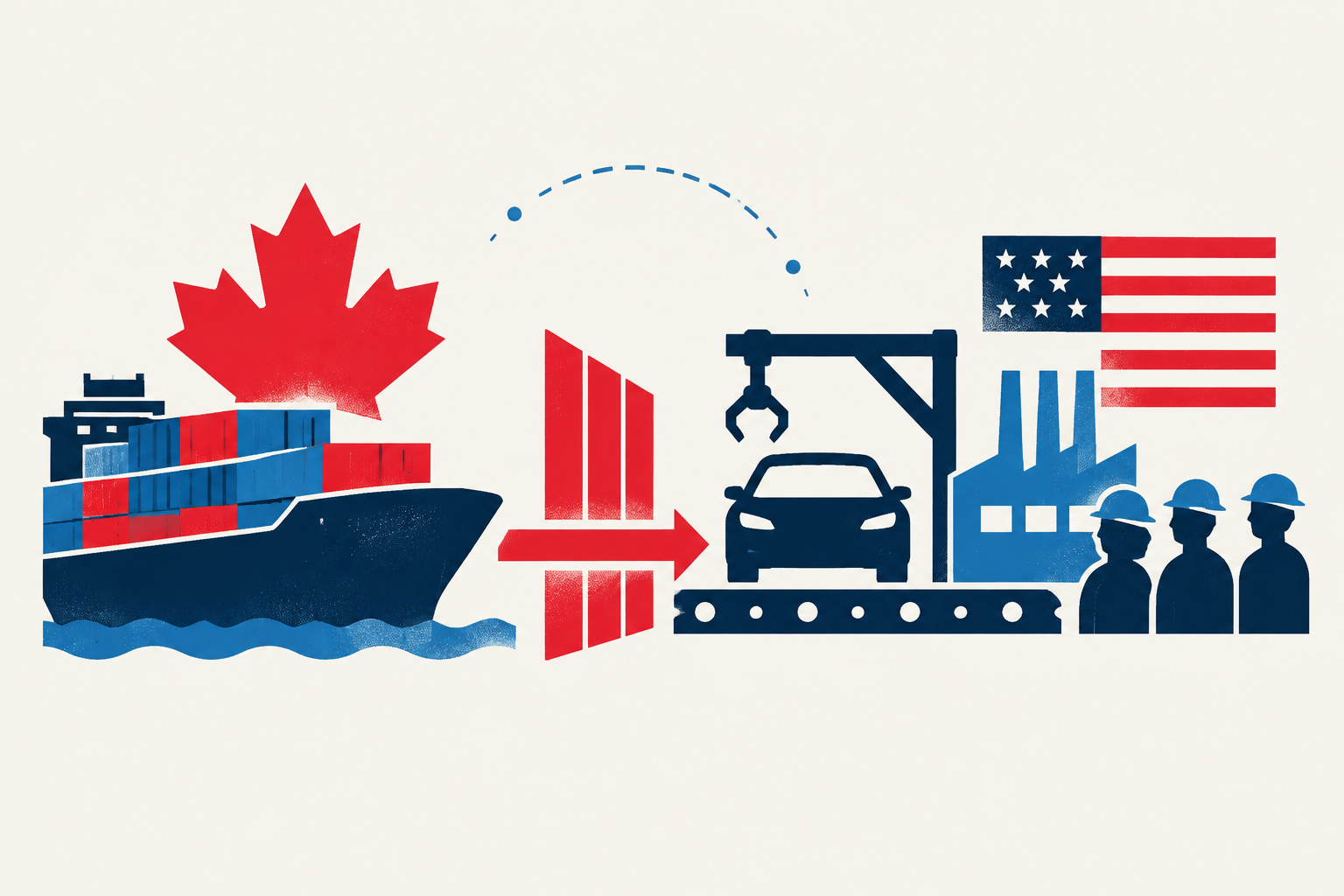
A North Alabama trade official says retaliatory tariffs may pressure automotive hiring before consumers see broader price effects.
A North Alabama trade association is warning that the earliest local fallout from Canada’s retaliatory tariffs against the United States may be visible in employment decisions rather than at the checkout counter. Andrew Tuggle, vice-president for global initiatives at the North Alabama International Trade Association, said businesses could face higher costs for products including steel, aluminum and dairy, while supply-chain effects take longer to reach consumer prices. [1]
Automotive manufacturing is the principal exposure identified in the assessment. Canada is normally Alabama’s largest trading partner, and the state exported between US$4 billion and US$5 billion in goods there in the prior year, according to WAFF’s report. Tuggle said about US$2 billion of those exports are tied to the automotive industry and that jobs and available hiring in that sector could be among the first areas affected. He stressed that the direction and scale of the employment effect remain uncertain. [1]
The concern reflects the structure of cross-border production rather than a confirmed reduction in Alabama output. Tuggle said Canadian measures, which took effect September 8, largely cover sectors already subject to U.S. tariffs, including steel, aluminum, paper, lumber and electronics. For Alabama firms selling affected goods into Canada, the tariffs raise the cost of serving that market; businesses connected to those exporters could also feel knock-on effects. [1]
For manufacturers, repeated border crossings are a central vulnerability. Components can move among the United States, Canada and Mexico several times before a finished product is completed, and each relevant crossing can add tariff costs, Tuggle said. He advised businesses to map their trading relationships and build contractual flexibility rather than respond only after tariff changes are announced. The report characterizes this as an ongoing trade-policy risk, not evidence that layoffs, cancelled investment or retail-price increases have already occurred in North Alabama. [1]
This is a localized, forward-looking business-impact report rather than evidence of realized production, employment or price changes. Alabama’s automotive exporters are notably exposed because the reported US$2 billion in auto exports to Canada could make hiring sensitive to added cross-border costs, while steel and aluminum inputs may compound manufacturing pressures. The significance remains limited because the assessment comes from one regional trade official and explicitly leaves the ultimate jobs outcome unresolved. [1]