Alberta Pork urges producers to assess input exposure under new retaliatory tariffs
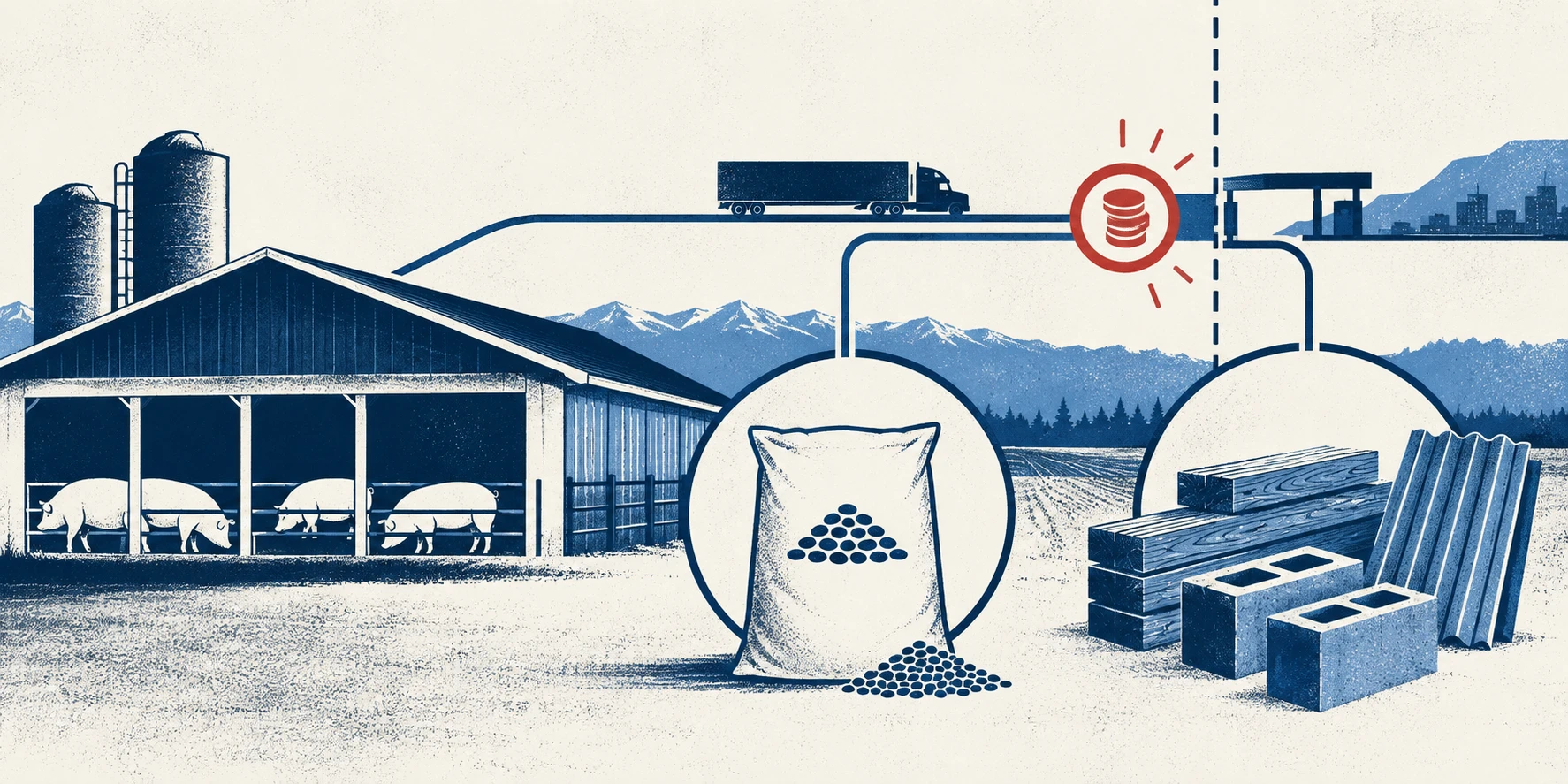
Alberta Pork urged hog producers to assess U.S.-origin input exposure as Canada’s retaliatory tariffs took effect, focusing on construction and feed-related needs.
Canada’s retaliatory tariffs on U.S. products took effect at 12:01 a.m. on September 8, 2026, prompting Alberta Pork to advise producers to examine farm purchasing plans and identify inputs that may face added import costs. The organization said the counter-tariff list includes 700 items and could affect hog operations, particularly products containing steel or aluminum used in barn renovations and new construction. [1]
The source did not provide an estimate of cost increases for producers or identify confirmed price changes in specific products. It characterized the item-level review as AI-generated and preliminary, advising producers to treat it as a starting point pending official analysis. The scale and distribution of exposure across the pork sector therefore remain unresolved. [1]
Alberta Pork is asking farms to review the tariff list with suppliers, veterinarians and nutritionists to determine which goods may affect immediate and longer-term supply requirements. It noted that substitute products may be available in some cases while Canada works through trade negotiations with the United States, indicating that procurement choices could vary by product and supplier. [1]
The tariffs apply only to goods considered to originate in the United States. Goods already in transit to Canada when the measure began are exempt, and Alberta Pork pointed producers to the federal tariff list, which it said was last updated on August 26, 2026. This origin-based scope means a product’s tariff exposure depends on its sourcing and origin status rather than simply its brand or supplier location. [1]
To build a clearer record of farm-level effects, Alberta Pork plans to circulate a survey through its Weekly Report in the coming weeks. The association said the feedback will help identify particular items affecting farms and better understand the tariffs’ potential economic impact. It will also work with provincial pork organizations, the Canadian Pork Council and government as the situation develops. [1]
The development is a targeted agricultural-sector response: Alberta Pork is urging farms to assess possible exposure to U.S.-origin inputs and plans to collect producer feedback. Its significance is limited because the source reports no verified price increases, quantified farm costs or confirmed disruption, and explicitly describes its itemized analysis as preliminary and AI-generated. [1]