Eby backs Ottawa counter-tariffs as B.C. warns trade dispute will deepen losses
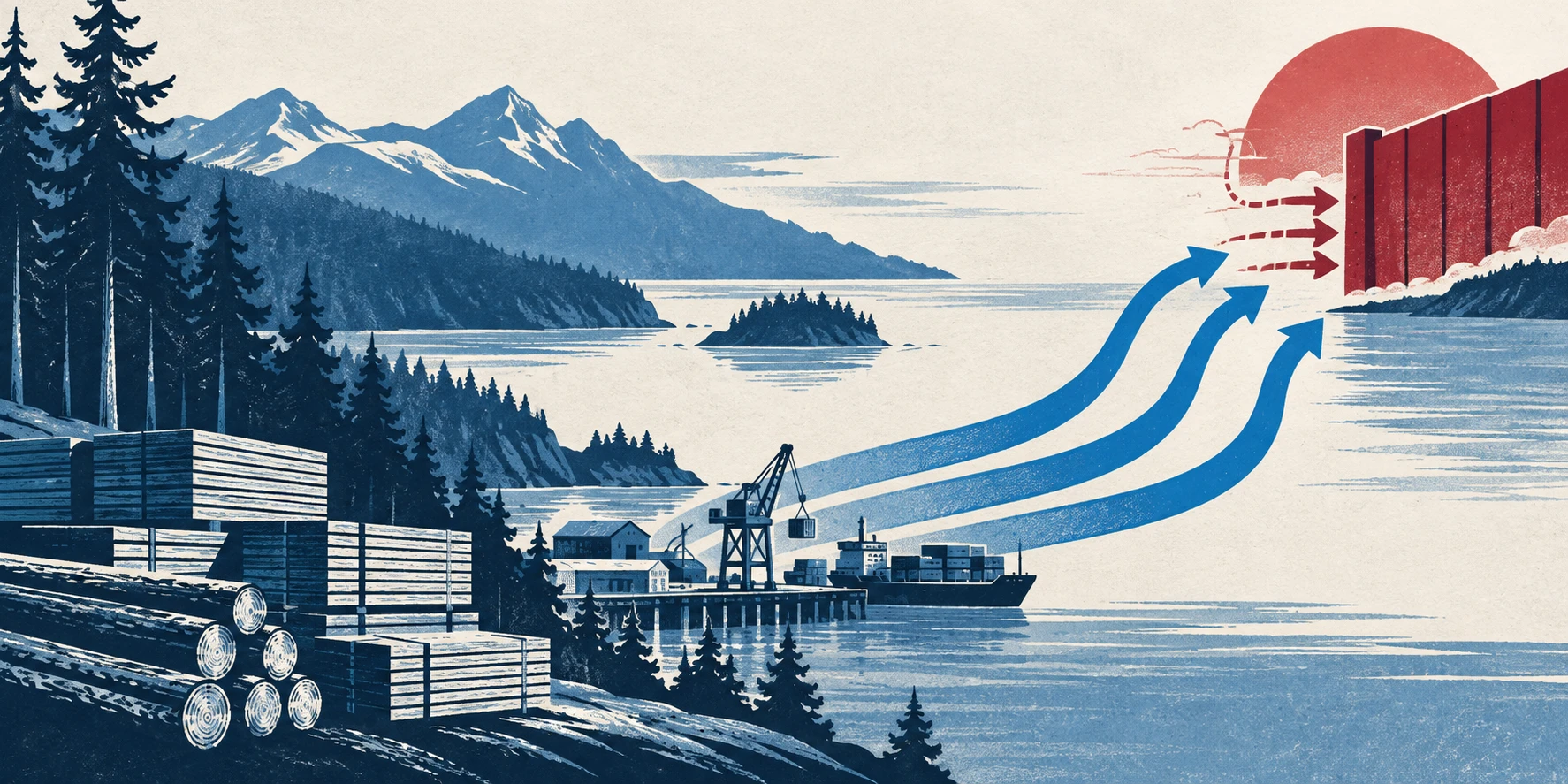
British Columbia Premier David Eby backed federal counter-tariffs, cited forestry pressure and warned the Canada-U.S. trade dispute may not be resolved quickly.
British Columbia Premier David Eby publicly backed Ottawa’s counter-tariffs on Sept. 8, framing them as a response to U.S. measures rather than a dispute Canada sought. He said governments have a responsibility to respond when Canadian workers, businesses and the economy are targeted, while warning that working families on both sides of the border would be worse off. [1]
Eby said the economic effects would be difficult to avoid, with job losses and business closures possible in both countries. His government is working with Ottawa to identify sectors likely to be hardest hit and deploy support. He singled out forestry, saying the sector and communities dependent on it are already hurting and that the province would work directly with the industry. [1]
The premier said trade talks between Canadian and U.S. negotiators broke down in August, with no further talks currently scheduled. He did not expect a rapid settlement and said a potential agreement would need to ensure fair treatment and respect Canada’s sovereignty. Eby cited the lower cost of access for Russian lumber to the U.S. market than lumber from British Columbia as an example of unacceptable treatment. [1]
Beyond federal counter-tariffs, Eby said B.C. would continue its ban on American alcohol in provincially run liquor stores and would not rule out additional countermeasures. He urged consumers, businesses and public institutions to shift spending toward locally produced goods and services, including B.C. food, manufactured products, materials and professional services. The province also aims to strengthen trade links within Canada and globally to reduce reliance on the United States. [1]
The announcement did not establish new tariff rates or a sector-specific support program. It signals provincial backing for Ottawa’s response, concern over forestry exposure and expectations of a prolonged dispute while formal Canada-U.S. talks remain unscheduled. [1]
This is a limited but relevant Canadian-response development: B.C.’s premier endorsed federal counter-tariffs, said forestry is already hurting, and noted that no further trade talks are scheduled. It raises the visibility of business and employment risks but does not create a new tariff measure, quantify sector losses or announce a funded support package, keeping the significance rating low. [1]