Great Lakes port data show tariff-linked declines in iron ore and steel traffic
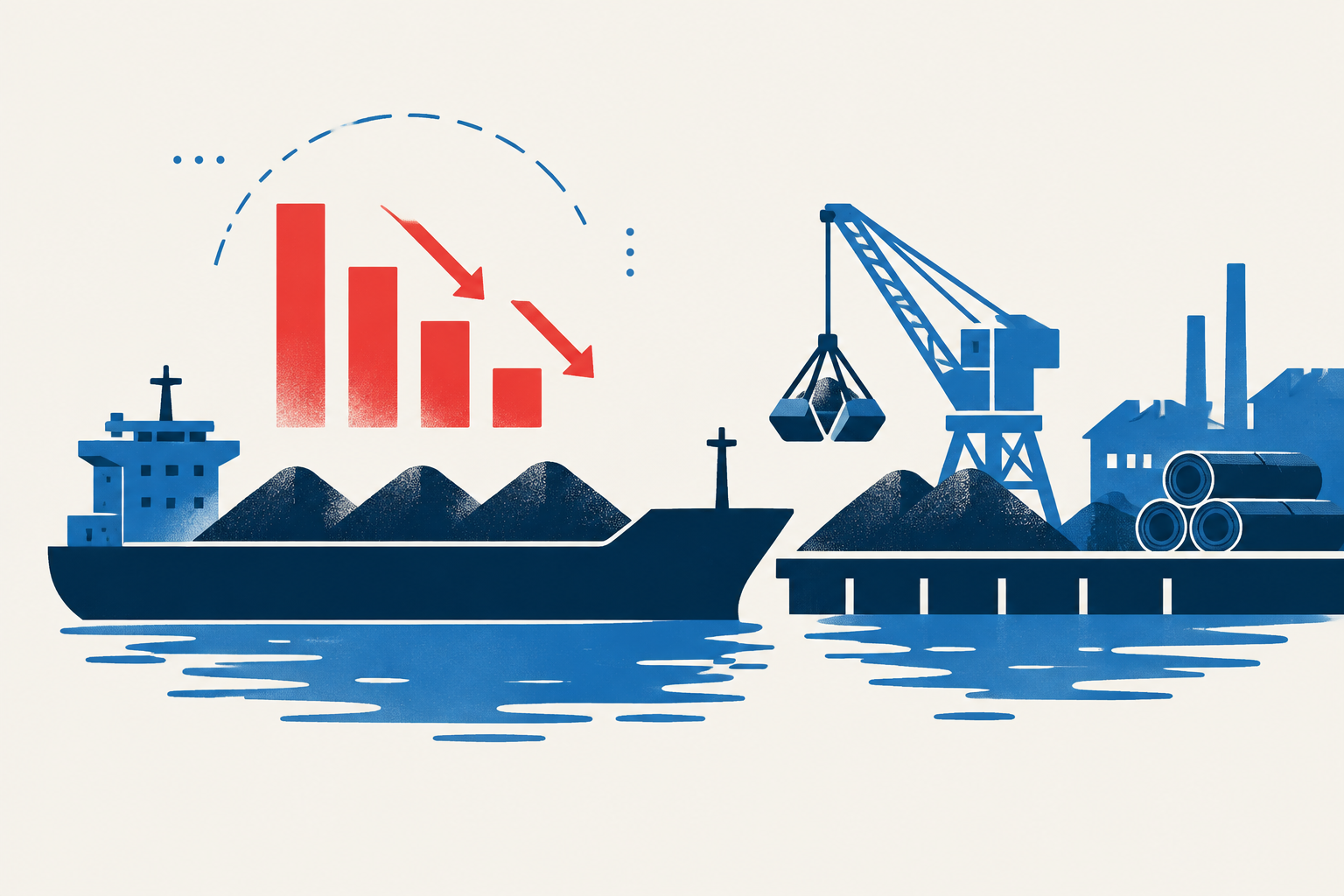
Port traffic data point to weaker cross-border iron ore and steel flows, raising logistics and input-cost pressure for Great Lakes manufacturers.
New reporting from Wisconsin Public Radio finds that cargo patterns at major Great Lakes ports have weakened alongside the Canada-U.S. trade dispute, although port and industry sources stress that tariffs are only one of several drivers. At the Port of Duluth-Superior, total cargo movements reached 11.4 million tons through August, down 25% from the comparable period a year earlier. Most of that decline reflected a 2.9-million-ton drop in coal shipments after a terminal closure, while iron ore volumes fell by a further 946,000 tons. [1]
Duluth-Superior’s port authority cited changes in steelmaking technology, use of scrap, and trade and policy decisions as contributing factors behind the iron ore fall. Roughly half of the iron ore decline was associated with reduced northbound shipments to Canada, while calls by Canadian-flagged vessels were down 37% through August. The evidence therefore points to reduced cross-border demand and vessel activity, but does not isolate the share caused by tariffs. [1]
The report connects this shift to Algoma Steel’s planned acceleration away from conventional blast-furnace production toward electric arc furnaces, a change the company had said was forced forward by U.S. tariffs. Because blast furnaces use iron ore and coke while electric arc furnaces rely more heavily on scrap, that transition could alter the long-term mix of cargo handled by Great Lakes ports even apart from short-term trade-policy effects. [1]
Port Milwaukee also reported that its steel volumes were down more than 30% year to date. Its spokesperson attributed the decrease to U.S. tariffs on steel imports from Canada and Europe amid evolving global trade conditions. The pattern is not uniform across all cargoes: the Chamber of Marine Commerce said shipments of road salt and cement were unaffected after U.S. tariffs on those products were removed, while describing steel and steelmaking inputs as a challenge for affected ports and marine operators. [1]
The data offer a localized signal of disruption rather than a definitive measure of total Great Lakes trade. The Lake Carriers’ Association reported that overall Great Lakes iron ore shipments were 27.5 million tons through August, 3% above the previous August but about 5% below the five-year average, and said it had not observed a tariff-driven shift from Canadian-flagged to U.S.-flagged vessels. A supply-chain academic interviewed by WPR said tariffs on Canadian steel raise the cost of steel-containing goods for U.S. auto, construction-equipment and agricultural-equipment manufacturers, while potentially encouraging higher-cost domestic production. [1]
This is a moderate-significance operational indicator for the steel-aluminum supply chain: Duluth-Superior recorded a 946,000-ton iron ore decline and 37% fewer Canadian-flagged calls, while Milwaukee steel volumes fell more than 30%. Port officials link part of the movement to tariffs and trade conditions, but coal-terminal closure, steelmaking technology changes and conflicting industry assessments mean the report does not establish a tariff-only or system-wide effect. [1]