Montana grain farmers cite higher Canadian equipment costs amid tariff dispute
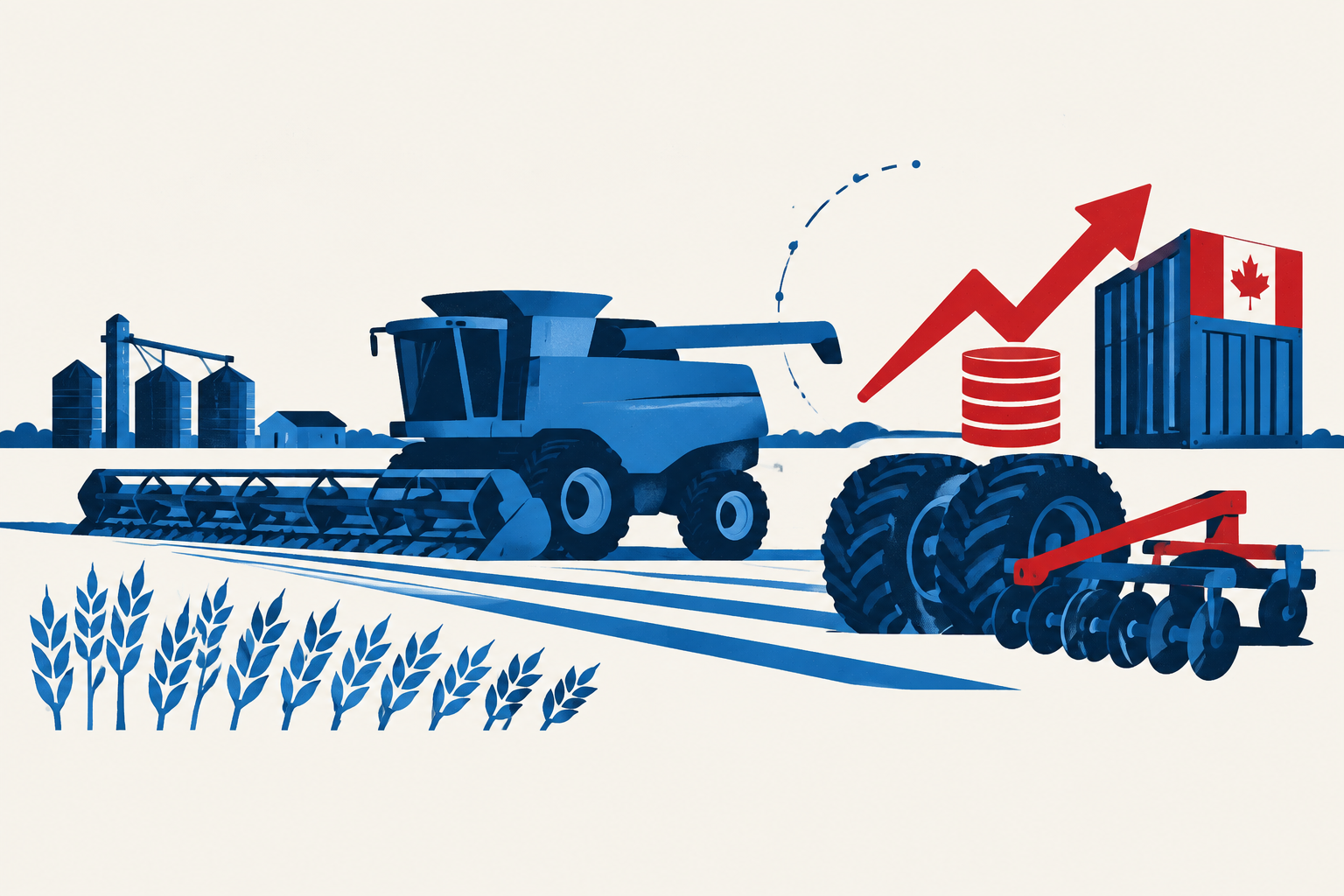
Montana grain producers say Canadian retaliatory tariffs are raising equipment costs and reinforcing efforts to cut input dependence.
NPR’s September 15 reporting points to a localized cost effect from the Canada-U.S. tariff dispute: grain farmers in north-central Montana say retaliatory duties on U.S. farm equipment are making Canadian-made purchases less attainable. Wheat farmer Steve Sheffels said he is reconsidering plans to buy a grain drill and Canadian grain bins because of affordability concerns. [1]
The exposure is significant for Montana because Canada is the state’s largest trading partner, accounting for roughly US$1 billion in cross-border sales, according to the Montana World Trade Center at the University of Montana. The report says producers had sourced selected equipment and supplies from Canada in part because exchange rates had been favourable, but that most farm equipment now faces retaliatory tariffs of 15% or more. [1]
For producers, the added equipment cost lands alongside pressures that predate the newly reported impact, including high fuel and fertilizer costs, rising interest rates and subdued commodity prices. One Montana farmer described uncertainty—not only the direct tariff cost—as a central concern, while expressing hope for a stable settlement between the two countries. These accounts are reported producer views rather than evidence of a measured statewide change in farm-equipment prices or purchasing volumes. [1]
The response described in the report is adjustment at the farm level rather than a halt to production. Farmer Lee Dahlman said he has been using soil probiotics and rotating chickpeas and lentils into fields to reduce fertilizer needs, while Sheffels said precision equipment has already helped him lower spending on pesticides and fertilizer. Montana Agriculture Director Jillien Streit has also encouraged producers to diversify away from monocrops and consider regional food markets. [1]
The development illustrates how retaliatory measures can affect U.S. agricultural operations through imported capital equipment and farm inputs, even when the products at issue are not grain exports. It also highlights a practical limitation on adaptation: reducing fertilizer use or changing rotations may lessen some input exposure, but it does not immediately replace machinery purchases or resolve uncertainty around cross-border commercial relationships. [1]
This is a moderate, localized agriculture impact: Montana grain farmers report that Canadian retaliatory tariffs of 15% or more are raising the prospective cost of equipment and supplies, adding to existing input and financing pressures. The rating is not higher because the source provides producer accounts rather than broad price, trade-volume or production data, and it also documents farm-level adaptation options. [1]