Report Says Canada Replaced Proposed U.S. Seafood Tariff With Duties on Copper Wire and Wood Charcoal
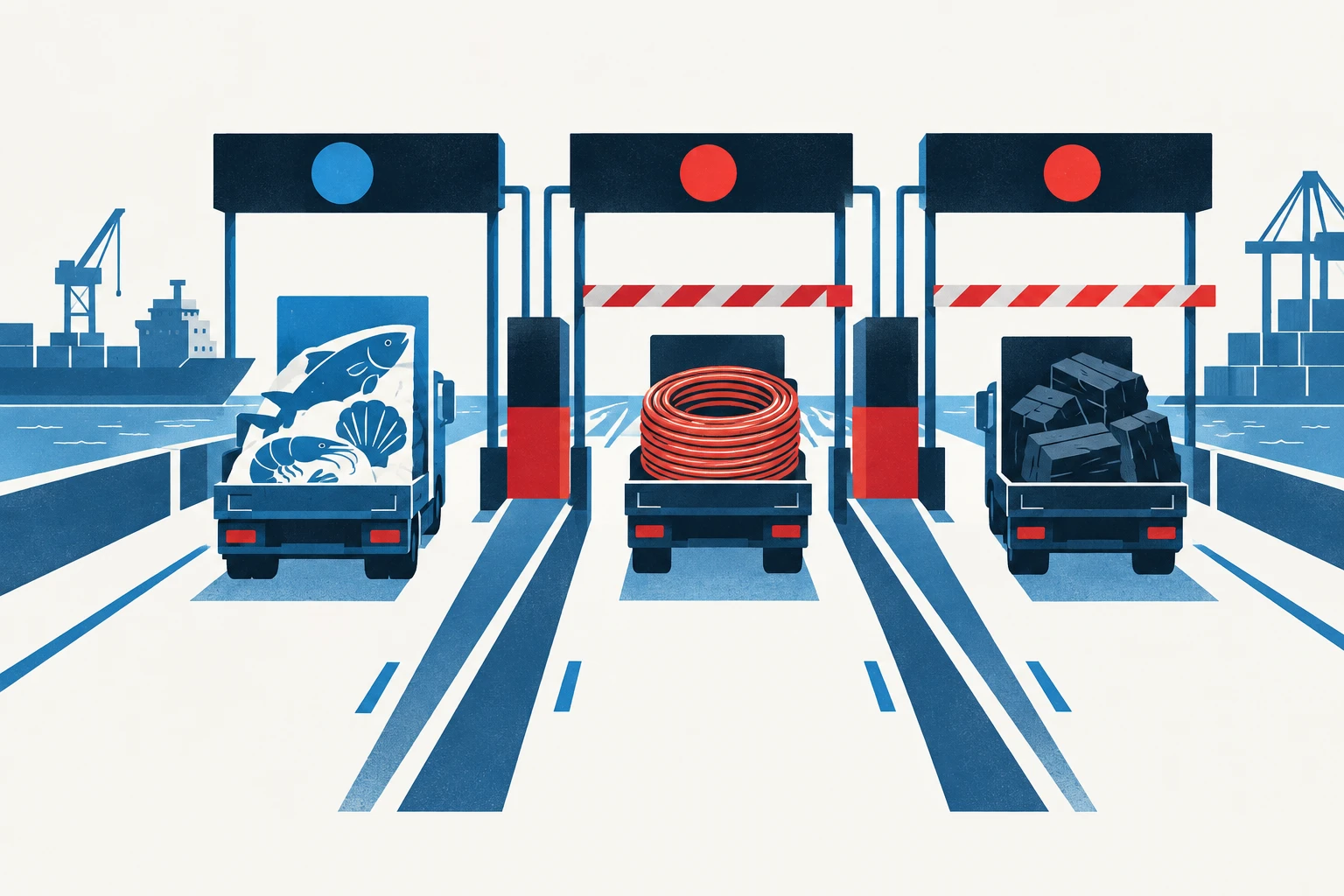
Canada reportedly adjusted planned September counter-tariffs, sparing U.S. seafood while shifting prospective import-cost exposure to copper wire and wood charcoal.
Canada reportedly removed a proposed 25% retaliatory tariff on U.S. seafood on August 27 and substituted 50% duties on U.S. copper wire and wood charcoal. The article says the seafood line was dropped after feedback suggested the levy would create economic hardship on both sides of the border, while the overall value of Ottawa’s retaliation package was retained. [1]
The reported product swap sits within Canada’s planned response to the collapse of bilateral trade talks on August 21. According to the article, U.S. Section 338 duties of 50% had taken effect on Canadian goods, and Canada’s reciprocal tariff package remained scheduled to begin September 8. The source presents the seafood decision as a refinement of the target list, not a suspension of Canada’s broader retaliation plan or a restart of negotiations. [1]
Seafood was a particularly sensitive target because fish and related products can move through integrated Canada-U.S. supply chains before reaching consumers or processors. Removing the proposed duty could therefore limit direct cost increases for Canadian importers and businesses dependent on U.S.-sourced seafood. The replacement products would instead place higher prospective landed costs on importers of covered U.S. copper wire and wood charcoal, requiring affected buyers to assess pricing, inventories, and alternative supply options. [1]
The article also describes broader political calculations around the retaliation list, citing Industry Minister Mélanie Joly’s acknowledgment that Canada selected targets with U.S. midterm-election exposure in mind. It identifies manufacturing and agriculture-oriented states in the Midwest and Northeast as potentially exposed to Canadian tariffs, while noting the continuing integration of the two countries’ automotive and resource supply chains. These observations provide context for the product-specific revision but do not establish a further formal change in trade measures. [1]
For the dashboard, the reported change is consequential mainly for the limited products affected. Seafood buyers may avoid the proposed Canadian tariff described by the source, whereas users of imported copper wire and wood charcoal could face replacement duties if the revised list takes effect as reported. The article contains no verified evidence of a change to the established tariff burden or outlook for the dashboard’s major automotive, steel-aluminum, forestry, agriculture, or energy sectors. [1]
The reported revision is a concrete but narrow adjustment to Canada’s planned retaliation package: it reduces proposed exposure for seafood while redirecting it to copper wire and wood charcoal. Its direct effects are concentrated among affected importers and supply chains, and the source does not show a change in the package’s overall scale, implementation date, or major-sector outlook. [1]