U.S. trade chief signals possible sectoral tariff accommodation for Canada
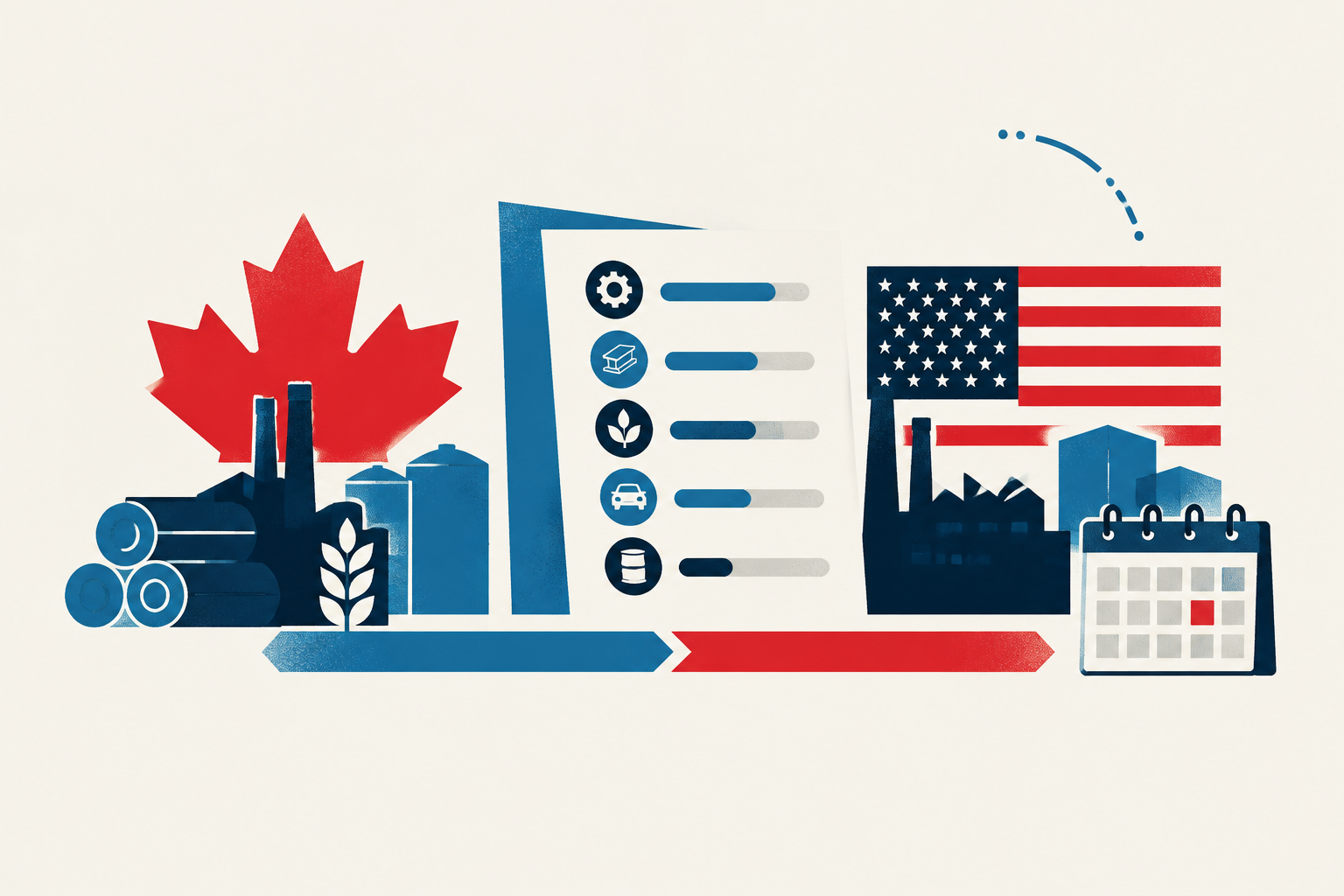
Washington is negotiating possible sector-specific tariff relief with Canada, creating a year-end decision point but leaving current duties in place.
U.S. Trade Representative Jamieson Greer said Washington is negotiating “arrangements” with Canada intended to reduce some sectoral tariffs and that he hopes to bring an arrangement to President Donald Trump by the end of 2026. The comments provide the clearest reported year-end target for potential tariff accommodation, but do not identify covered products, rates or implementation terms. [1]
Canadian Trade Minister Dominic LeBlanc said Ottawa expects talks to continue after the U.S. Thanksgiving holiday and remains focused on an agreement in Canada’s interests. The discussions follow an August breakdown in negotiations and a subsequent escalation in which Washington imposed 50 per cent duties on some Canadian imports and barred others, while Canada adopted retaliatory measures. [1]
The prospective arrangements are being discussed alongside broader Canada-U.S. engagement. Greer said Trump and Prime Minister Mark Carney have been in contact and noted they will have opportunities to speak before the G20 Leaders’ Summit in Miami next month. That contact may support a negotiated path, although neither government has announced an agreement or committed to removing a specific tariff. [1]
Canada was also excluded from a separate set of proposed Section 301 duties announced by the Trump administration on Wednesday for China, the European Union, Singapore, Switzerland and other economies. Canada nevertheless remains subject to distinct 10 per cent Section 301 tariffs tied by the administration to forced-labour supply-chain claims, with CUSMA-compliant goods excluded. [1]
For companies facing sector-specific U.S. duties, Greer’s statement introduces a credible possibility of relief rather than a realized policy change. Businesses still lack essential operating details, including which sectors would be covered, whether any relief would be temporary or conditional, and how any arrangement would interact with existing bilateral and CUSMA rules. Until those terms are released and approved, current tariff exposure and associated sourcing, pricing and investment decisions remain unchanged. [1]
The talks are also occurring under a changed legal framework. The report says the administration has turned to other statutes after the U.S. Supreme Court ruled that IEEPA could not be used to impose tariffs; it describes Section 301 as one route now being used to sustain levies. The unresolved negotiations with both Canada and Mexico therefore carry implications beyond individual sectoral rates, but the reported Canadian arrangement remains a stated objective rather than a final settlement. [1]
This is a meaningful negotiation signal because the U.S. trade representative set a year-end objective for arrangements that could lower unspecified sectoral tariffs, potentially affecting Canadian firms currently exposed to targeted duties. The significance is limited to a mid-level rating because no deal, covered sectors, tariff reductions or effective date has been announced, so there is no verified change to present industry conditions. [1]