USTR signals no urgency for Canada trade deal as dispute risks deepen
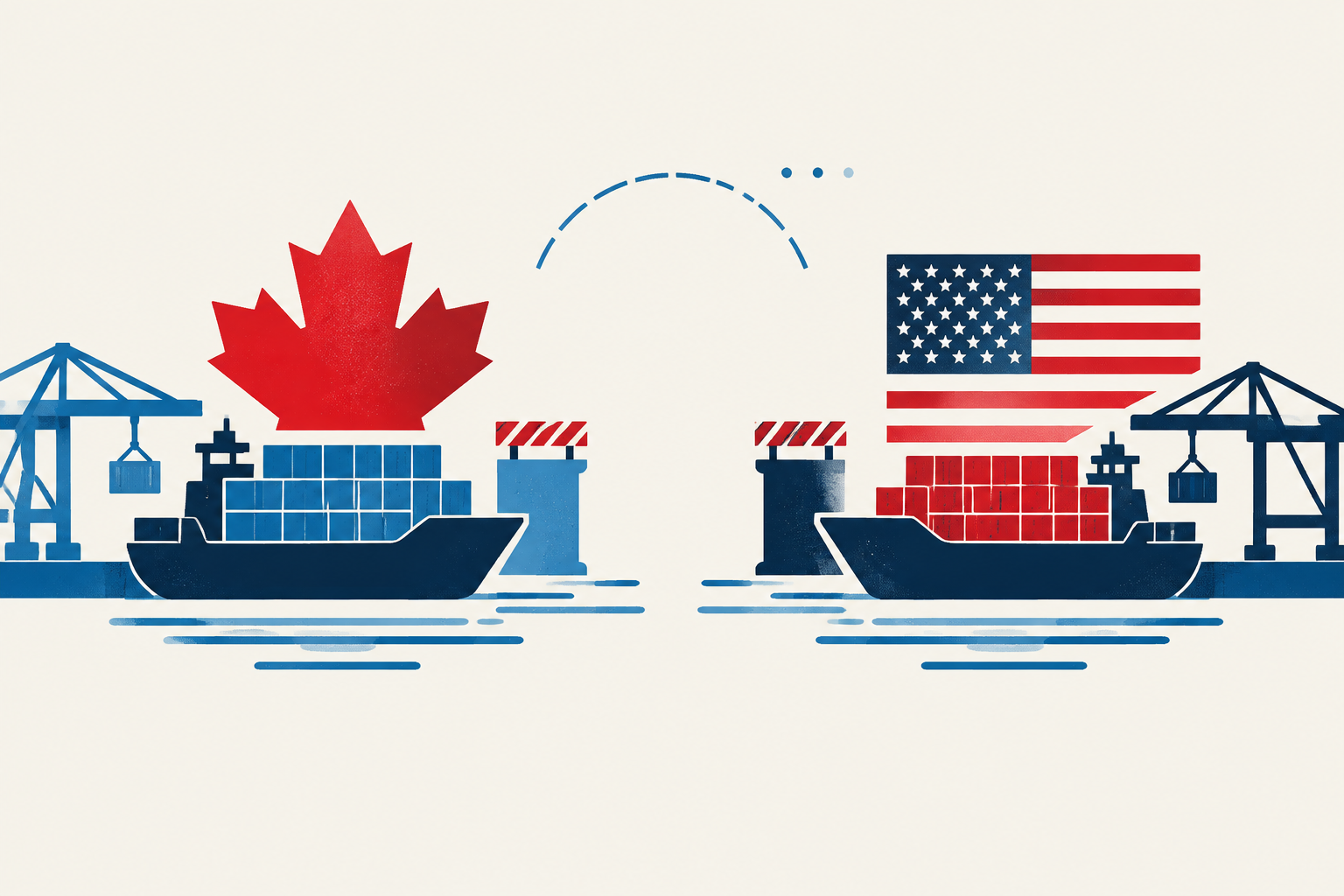
Washington’s stated willingness to sustain the standoff reduces near-term prospects for relief as further trade restrictions approach.
U.S. Trade Representative Jamieson Greer said on Sept. 25 that the Trump administration is comfortable with its current trade standoff with Canada and does not see urgency in reaching a new agreement. The comments are a fresh official indication that Washington is not seeking an immediate compromise, even as bilateral frictions continue to weigh on planning for cross-border businesses. [1]
Greer said substantial trade continues in products including oil, gas, potash and agricultural goods, and described the two sides as still having occasional discussions about possible deals. But his remarks suggest those contacts are not currently translating into a timetable for a broader settlement. Canada’s embassy in Washington did not immediately comment, according to the report. [1]
The negotiating signal arrives alongside a more restrictive trade backdrop. The report says new U.S. import bans affecting a wide range of Canadian products, including alcoholic beverages, motorcycles and dairy products, are due to take effect the following week. It also says Washington has threatened to raise tariffs on Canadian automobiles, parts and steel to 50% from January, a prospect with potentially significant implications for integrated North American vehicle production. [1]
Canada had already put retaliatory tariffs on U.S. goods into effect earlier in September, after the United States imposed 50% tariffs on roughly US$20 billion of Canadian goods the previous month, the report said. With negotiations having broken down after several rounds, Greer’s stance points to a higher likelihood that companies will need to operate under existing restrictions and prepare for scheduled measures rather than expect rapid policy relief. [1]
The dispute is also increasing uncertainty around the future of the U.S.-Mexico-Canada Agreement. The report notes that some experts believe Washington may seek an agreement with Mexico first, potentially strengthening its leverage in later dealings with Canada; Mexican officials said a further round of talks could occur in October. That remains an expert assessment rather than a confirmed U.S. negotiating sequence, but it reinforces the lack of a clear near-term path to a Canada-specific agreement. [1]
This is a moderate-significance negotiating development because the U.S. trade representative publicly indicated that Washington is willing to maintain the status quo rather than pursue an urgent settlement. The signal is relevant to automotive, steel and agriculture-linked supply chains facing prospective or pending restrictions, but it does not itself impose a new tariff, ban or negotiated outcome. [1]